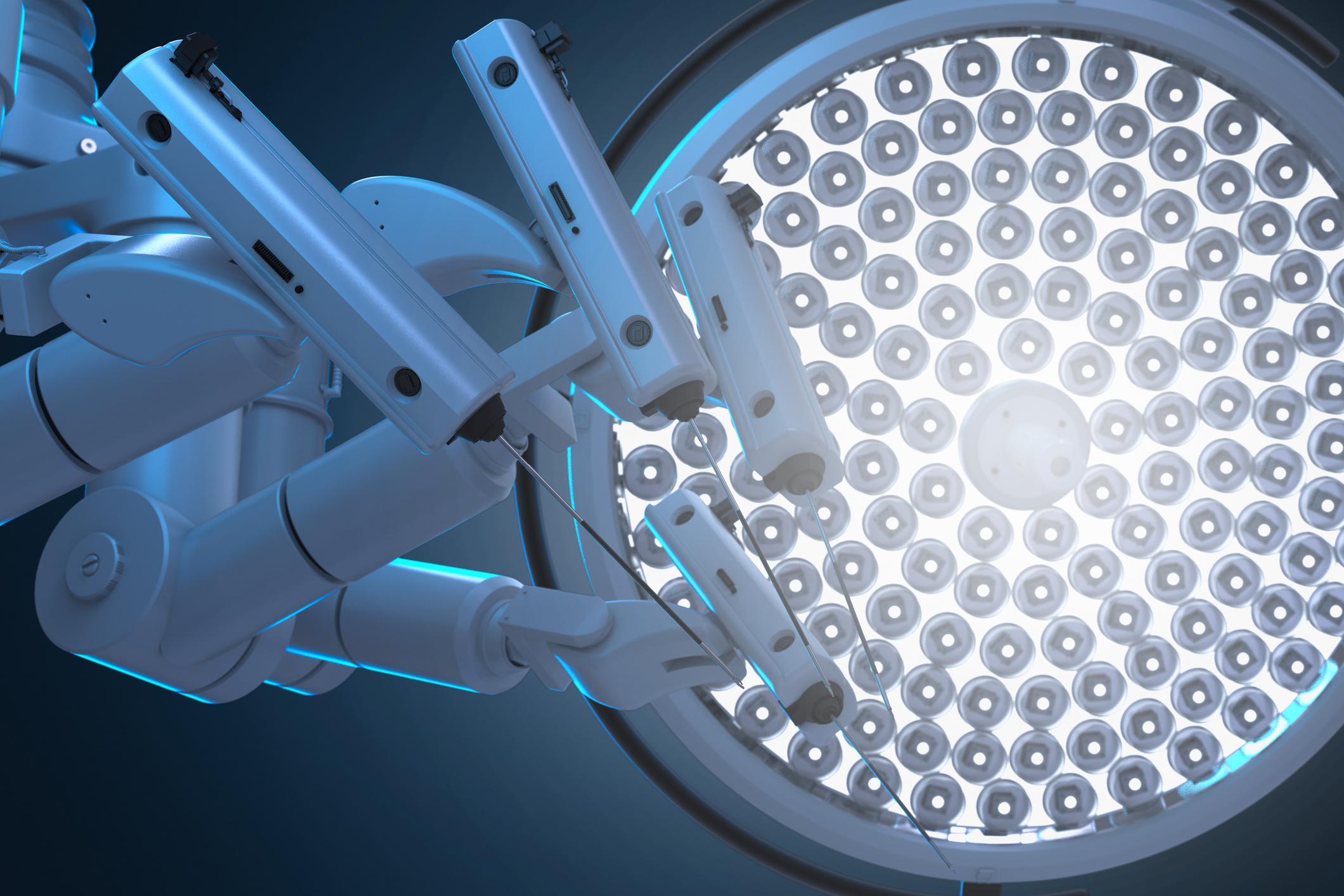
A recent study demonstrates that robotic-assisted bronchoscopy is a safe and effective method for characterizing lung nodules in lung transplant recipients, particularly those that are too small or located too peripherally to be reached by other modalities. The research was presented at the American Thoracic Society 2025 International Conference.
“For lung transplant recipients, robotic-assisted bronchoscopy provides a minimally invasive, precise approach that significantly lowers the risk of harming the lung allograft. Its high-quality tissue sampling capabilities enable accurate diagnosis of malignancies and help differentiate between infections, graft rejection, and other posttransplant complications,” wrote the authors, led by Ariba Moin, MD, of Norton Thoracic Institute at St. Joseph’s Hospital and Medical Center, in Phoenix, Arizona.
The authors conducted a retrospective review of 545 patients who had received their first RAB at their center from 2021 to 2023. Of those, 20 were lung transplant recipients, all of whom were included in this analysis. Their mean age was 61, and 65% were men. In addition, 35% received bilateral biopsy, for a total of 29 lungs.
The study provided data on the nature of biopsy. Of all procedures, 45% used intraoperative computed tomography, and 15% placed fiducial markers. Furthermore, 70% used a 1.1 mm cryoprobe, followed by fine needle aspiration (45%) and forceps and brush (15%).
Median procedure time was 38 minutes. Most of the targeted nodules were in the right upper lobe (24.1%) or left upper lobe (27.5%), with almost half (48.5%) located in the outer third of the lung (≥3 cm from the pleura). Most of the nodules measured 11–20 mm (31.1%), and the bronchus sign was present in 37.9% of cases.
The study found that diagnostic yield was high at 86.2%. Agreement between preliminary diagnosis and final diagnosis was 56%. Of the 29 lungs tested, cancer was present in 20.6%, infection or inflammation in 41.3%, and no diagnosis in 13.7%.
Notably, complication rates were low, with no major bleeding and one pneumothorax. The authors concluded that the procedure was safe with high diagnostic capability.
Reference
Moin A, Biswas Roy S, Arjuna A, et al. Beyond the traditional scope: robotic-assisted bronchoscopy for lung nodule diagnosis in high-risk lung transplant recipients. Abstract #A1150. Presented at the American Thoracic Society International Conference; May 18-21, 2025; San Francisco, California.